Published October 29, 2026 02:30PM
Backyard Ultras Are Booming. Here's Why.
Put on the map by the likes of Courtney Dauwalter and mastermind Gary "Lazarus Lake" Cantrell, backyard ultras have no time cutoff and seemingly no end to their rise in popularity.

(Photo: Jacob Zocherman)
How We Reported This
In quite the feat of boots-on-the-ground journalism, author Dan England raced Jess’ Backyard Ultra on August 9, 2024. (Don’t ask him about the race name grammar.) He also spoke with backyard ultra mastermind Gary “Lazarus Lake” Cantrell, several other backyard ultra race directors, and key backyard ultra runners, including Harvey Lewis and Maggie Guterl. What he found is that the format of running a 4.167-mile loop on the hour, every hour until only one runner remains is about so much more than running in circles. Since this article was originally published on Outside Run in 2024, backyard ultras have further entered the mainstream with the rise of figures like Mark Dowdle, Belgium resetting the world record, and Team USA winning the 2026 Backyard Ultra World Team Championship.
It’s 8:55 P.M. on Friday, August 9, and I’m with a small group of runners huddled together in a tent on a farm near Greeley, Colorado, that momentarily shelters us from our bad life decisions.
ADVERTISEMENT
Outside the tent awaits pouring rain and a mushy race course complete with the “Plank of Doom”—a pink makeshift “bridge” adorned in purple twinkle lights suspended four feet over a drainage ditch full of stormwater.
Before the starting gun of this backyard ultra goes off in five minutes, Jessy Nelson needs to make an announcement. I’m assuming it will be about safety. Instead, she tells us that she is not a narcissist.
Yes, Jess’ Backyard Ultra does carry her name. But she named the race for about a dozen friends, all named Jess. (Seriously!). She met them all in an online chat group during a 1,000-kilometer Great Virtual Race Across The States.
Nelson started the race on her farm for them in 2021 with the hope that one Jess could run far enough to qualify for Big’s Backyard Ultra—the original Bell Buckle, Tennessee, “backyard ultra” event that pioneered a quirky new kind of endurance racing format in which runners must complete a 4.167-mile loop on the hour, every hour until they can no longer accomplish the task.
ADVERTISEMENT
For the record, this event is Jess’ Big Backyard Ultra, not Jessy’s. Understand?
We nod as the rain comes down harder. It would be a fun, goofy, quaint little race that seems to match the aesthetic of many backyard ultras across the world, except it’s been raining for three days, transforming the dirt roads on which we will run into what seems like gooey Jello pudding.
Nelson is worried. The Plank of Doom is seriously dangerous, she tells us. Sure, it’s pink and twinkly, but the four-foot fall that could result with any misstep could mean a broken ankle or, according to Nelson’s narrowed eyes, instant death. Nelson is so serious about the plank that she forces the four of us competing to vote to keep it on the course instead of bypassing it through a paved road 100 yards to the south. We vote to keep it, 3-1.
ADVERTISEMENT
It’s hard to take anything Nelson says seriously, given that this is a race seemingly held on the set of Little House on the Prairie and that a stuffed toy squirrel named Skittles awaits us in a rocking chair at the turnaround to our 4-ish-mile loop. One of the Jesses befriended a squirrel in her backyard, you see, and that’s a tribute to her. Nelson once befriended an eagle, who would follow her during her daily 10-mile loops around her property. But now, she presumes, the eagle is taking cover. We are about to do the opposite.
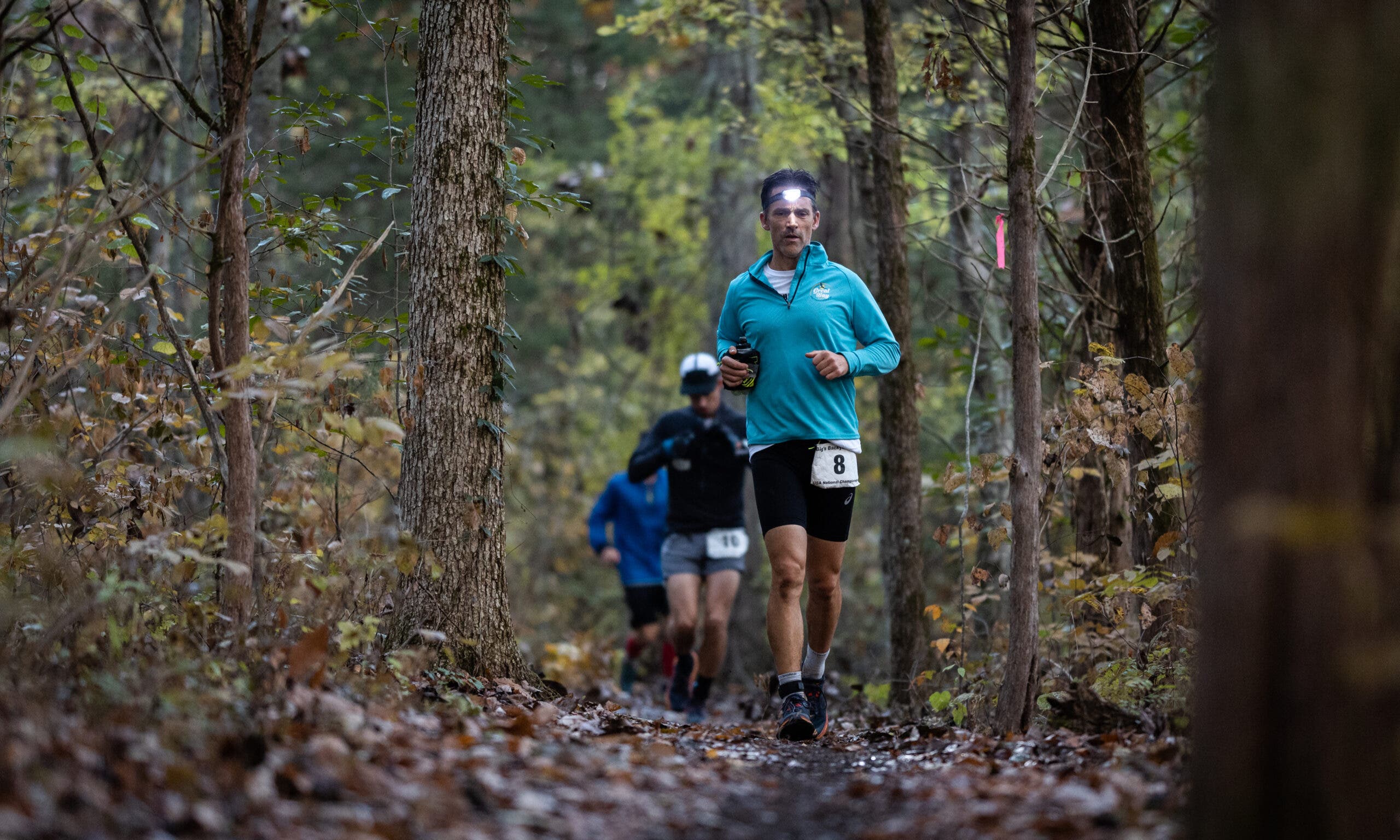
The Rise of the Backyard Ultra
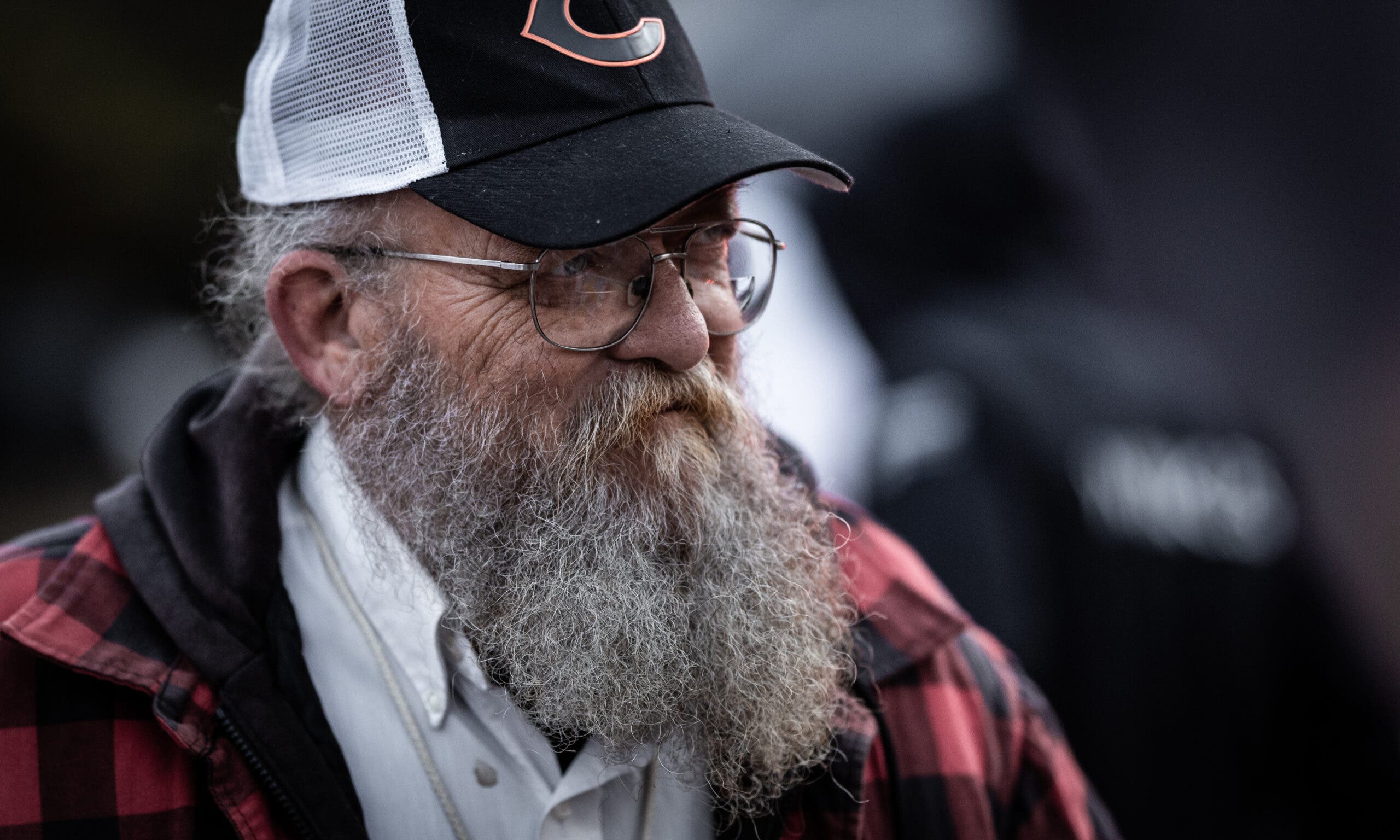
Nelson’s odd race is now one of an estimated 500 backyard ultras held around the world that are certified by concept creator Gary Cantrell. You may know him as Lazarus Lake, or simply Laz. He is probably the sport’s most famous race director and certainly the quirkiest. Cantrell is known first and foremost for creating the Barkley Marathons, a grueling 100-plus-mile largely off-trail race in Tennessee that’s considered to be the world’s hardest running race to complete. While there’s only one Barkley Marathons, Cantrell’s backyard race format has boomed over the past five years or so.
There is no predefined end length or time in a backyard ultra, as long as multiple runners can complete each 4.167-mile loop within an hour. (Cantrell chose that peculiar distance because running 4.167 miles per hour is exactly what it takes to run 100 miles in 24 hours.) A race ends when only one runner remains to complete a lap and is declared the winner, while all other runners are relegated to did not finish (DNF) status with whatever total number of laps they are able to complete. The runner who completes the second-most laps in a race is often referred to as the “assist,” in the sense that their effort is ultimately what determines how long the race is allowed to continue.
ADVERTISEMENT
Most backyard races are not like Cantrell’s Big’s Backyard Ultra, which, even though it maintains a grassroots feel, has gained worldwide fame and is filled with elite runners. Most backyard races are more like Nelson’s: small, fun and grueling little get-togethers that last a couple days and bring most runners to tears. Most backyard race directors are like Nelson, too; they have“real” jobs outside of race directing and simply love the format and camaraderie their events foster amid runners of all ability levels pushing themselves beyond what they ever thought possible.
When Cantrell started his race and named it after his pit bull, Big, in 2012, he hoped to have enough interest for just one event. He was pleasantly surprised when people asked if there would be another race the following year. Now tens of thousands will likely tune in to the livestream to watch this year’s race on October 19. Cantrell guesstimates more than 25,000 people have run in a backyard ultra event this year, and those are just in the races he’s certified: He knows there are probably dozens more who don’t bother with the paperwork.
ADVERTISEMENT
“The continued growth really has been a surprise for me,” Cantrell said. Indeed, there are backyard races in 83 countries now. Even the renowned Tarahumara tribe of Indigenous people from Chihuahua, Mexico, (aka the Raramuri people, who were profiled in the 2009 New York Times bestseller Born to Run,) have their own race, Cantrell noted.
Cantrell relishes putting on the world’s hardest events, almost to a sadistic degree. Only 20 individuals have finished the Barkley Marathons since he began it in 1986. It’s a race as ominous as its location, Frozen Head State Park in Tennessee. The race, over 100 miles with a staggering 65,000-feet-plus of elevation gain, is a miserable quest for survival through thorn-infested bramble, often terrible weather, and ridiculously steep hills on a “course” with no real route.
ADVERTISEMENT
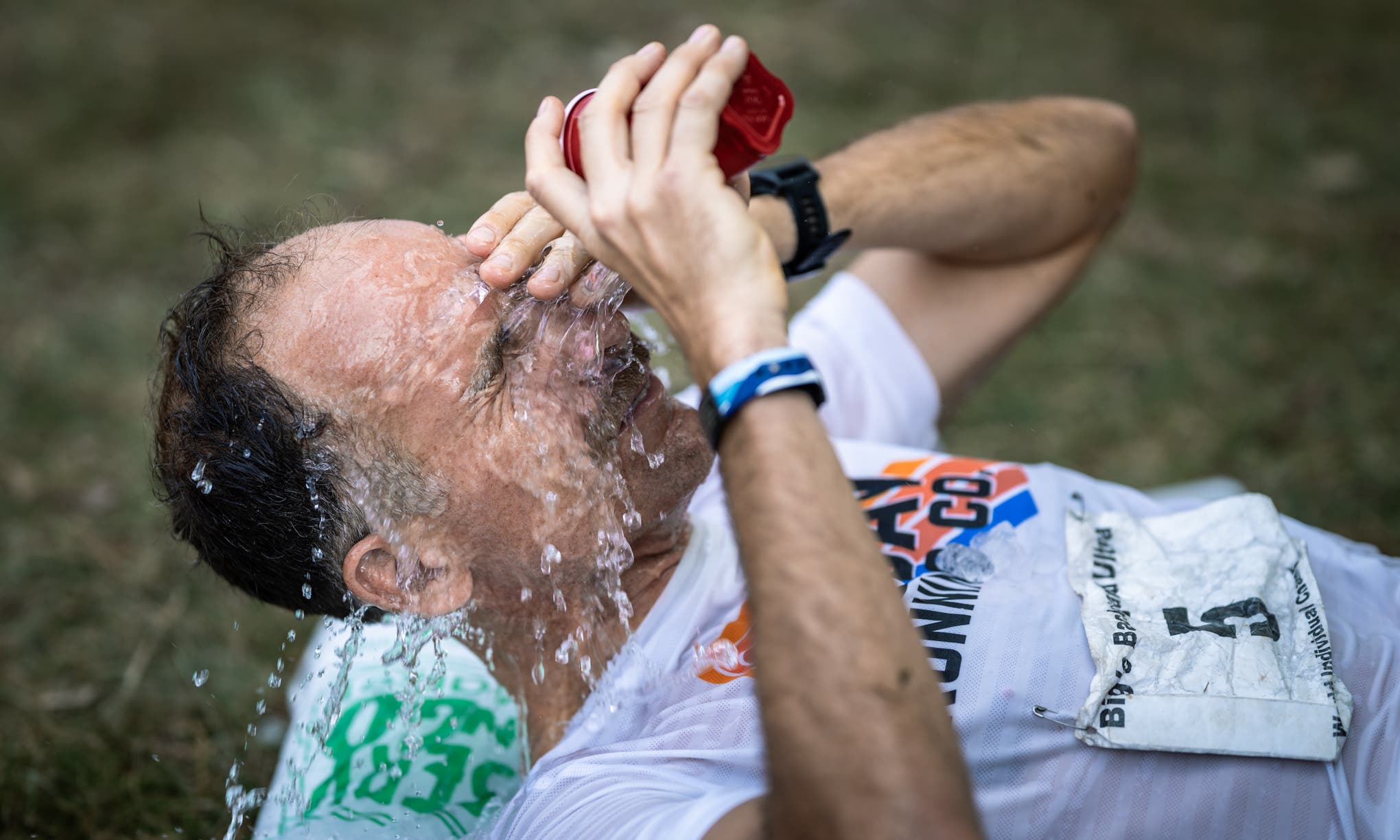
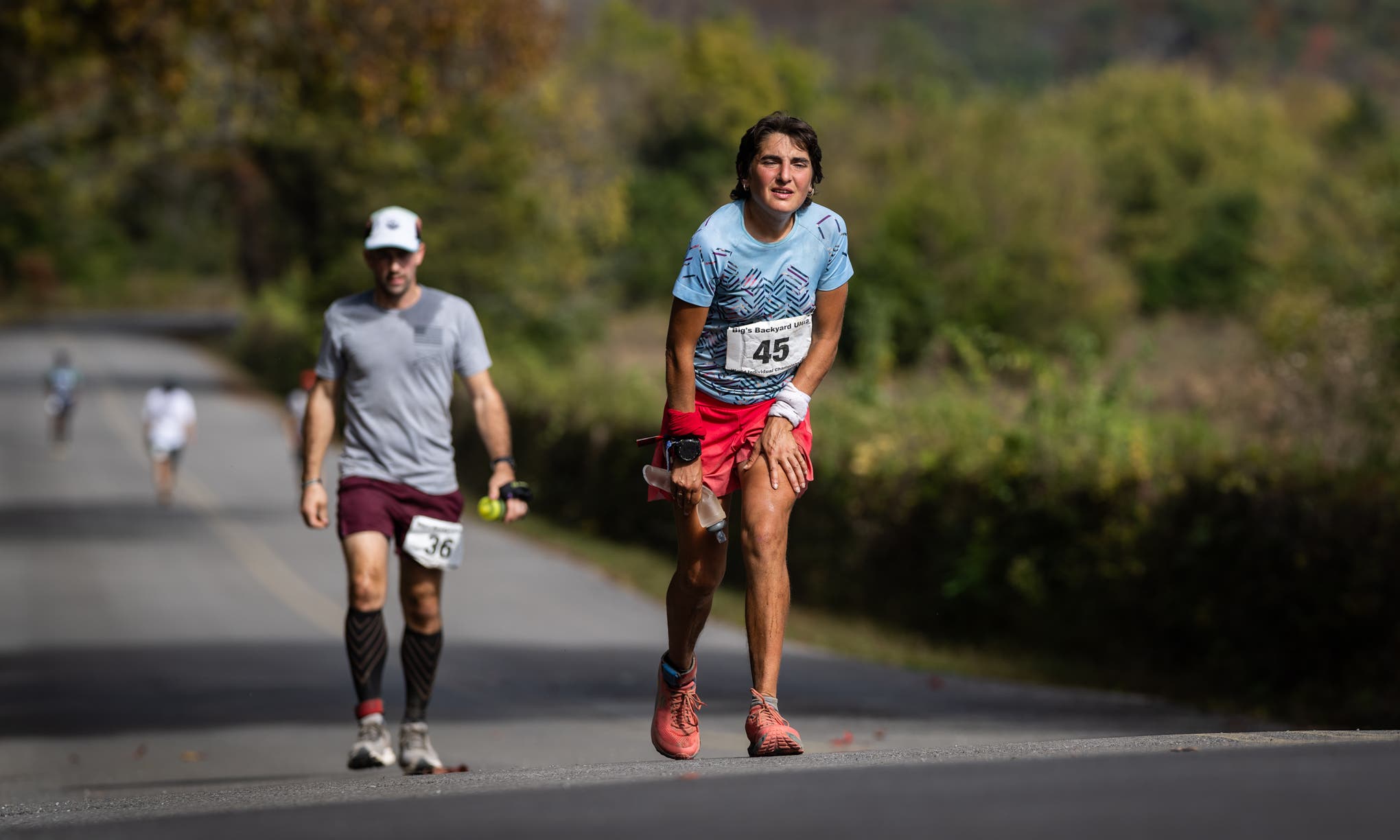
He started Big’s as another way to test people, and at times, it resembles Stephen King’s The Long Walk, a fictional horror story about 100 walkers who are forced to trudge hundreds of miles and are shot when they quit. Big’s format is also horrifyingly simple: Run 4.167 miles, a “yard,” in under an hour, and then line up and do it again, and again, and again, on the hour, until one person is left. No breaks from the on-the-hour start are allowed, not even to use the porta-potty, but if you finish the yard early, you can eat and drink to your heart’s content, sleep a few minutes, and yes, answer nature’s call. Last year’s winner, accomplished Cinncinnati ultrarunner Harvey Lewis, set a world record by running 450 miles over 108 hours—or four and a half days.
Cantrell now finds himself surprised not only by the race format’s popularity but also the allure many runners have found in the design. These backyard races are, like Nelson’s race, more about community and the comradery of people pushing each other to go farther than they ever have than about fighting your competitors to the near death. While the format becomes exponentially more grueling over time as variables like sleep deprivation escalate, for the first 24 hours or so, the backyard ultra format is an approachable way for many to cover a very long distance. And Cantrell admits that he likes what these mom and pop backyard races have become.
“There are a lot of aspects to it that I didn’t really consider,” he said. “I do know we get a lot of people who never thought they could ever run an ultra. It’s a race for everyone.”
ADVERTISEMENT
How It All Began
Cantrell thought of the idea for a backyard race close to 50 years ago, when he was in high school struggling to keep up with the fast kids on his track team during interval workouts. He noticed by the end of an interval he was often a little closer to their heels.
“I’d get left in the dust early, but eventually, I’d wear them down,” he said. “So in a 4-mph race, I thought I could beat everybody.”
The idea stayed in the recesses of his mind until he could do something about it on his property in central Tennessee. He didn’t have the money to put on a big race, but with the format, all he needed was a stopwatch.
“This format doesn’t require very much,” Cantrell said. “I think that’s why it’s caught on.”
ADVERTISEMENT
It’s also caught on because it’s spectator-friendly—both online and in person—perhaps more so than any other race not on a track. It not only made a household name out of Lewis but acted as a coming-out party for Courtney Dauwalter when the two went head-to-head for nearly 20 hours in 2020 and ran a total of 283 miles before Dauwalter outlasted him by a lap and won. Cantrell said this was another aspect of the race he didn’t consider, and it’s partly what makes it fun.
“Women are on an equal competitive footing with men,” he said, and indeed, Maggie Guterl also won Big’s Backyard Ultra, now considered the format’s national championship, in 2019.
The format, Cantrell said, is supposed to measure willpower, not VO2 max or speed or other aspects of physiological talent. There are enough races for that. Instead, Big’s measures grit—the one thing he had over those speedy, more talented guys on the track in high school.
“The most challenging part,” Cantrell said, “should be the distance between the chair and the starting corral.”
Tens of thousands were captivated last year by Lewis’s win, his second at Big’s Backyard, which Cantrell now livestreams and provides real-time written commentary. Lewis was already well known for winning the 135-mile Badwater Ultramarathon in 2014, but he wasn’t taken seriously as a trail runner when he first entered Big’s in 2017, he said.
ADVERTISEMENT
“I like the trails though,” Lewis said. “I’m very strategic. They were doing it wrong. Everyone was running up the first hill, and I was in the back, just walking up. The next day, everyone walked up the hill.”
Lewis kept going even after making a lap by just a second. He eventually gave in after 200 miles, taking the assist, but it made him wonder just how far he could go. He decided to devote part of his life to it.
“Big’s is so great,” Lewis said. “You’re walking into an ultimate game board, with strategy, perseverance, and skill level. The course itself is nothing special, and it’s usually that way with a lot of them. The genius is behind the format.”
ADVERTISEMENT
The Camaraderie of Backyard Ultras
Lewis races at Big’s to win, no doubt, but as a teacher at the School for Creative and Performing Arts in Cincinnati his living does not depend on it. (Good thing, as there’s no prize money anyway.), Despite his competitive drive, he’s learned to relish in the non-competitive moments on the course and treasures his two assists as much as his wins.
ADVERTISEMENT
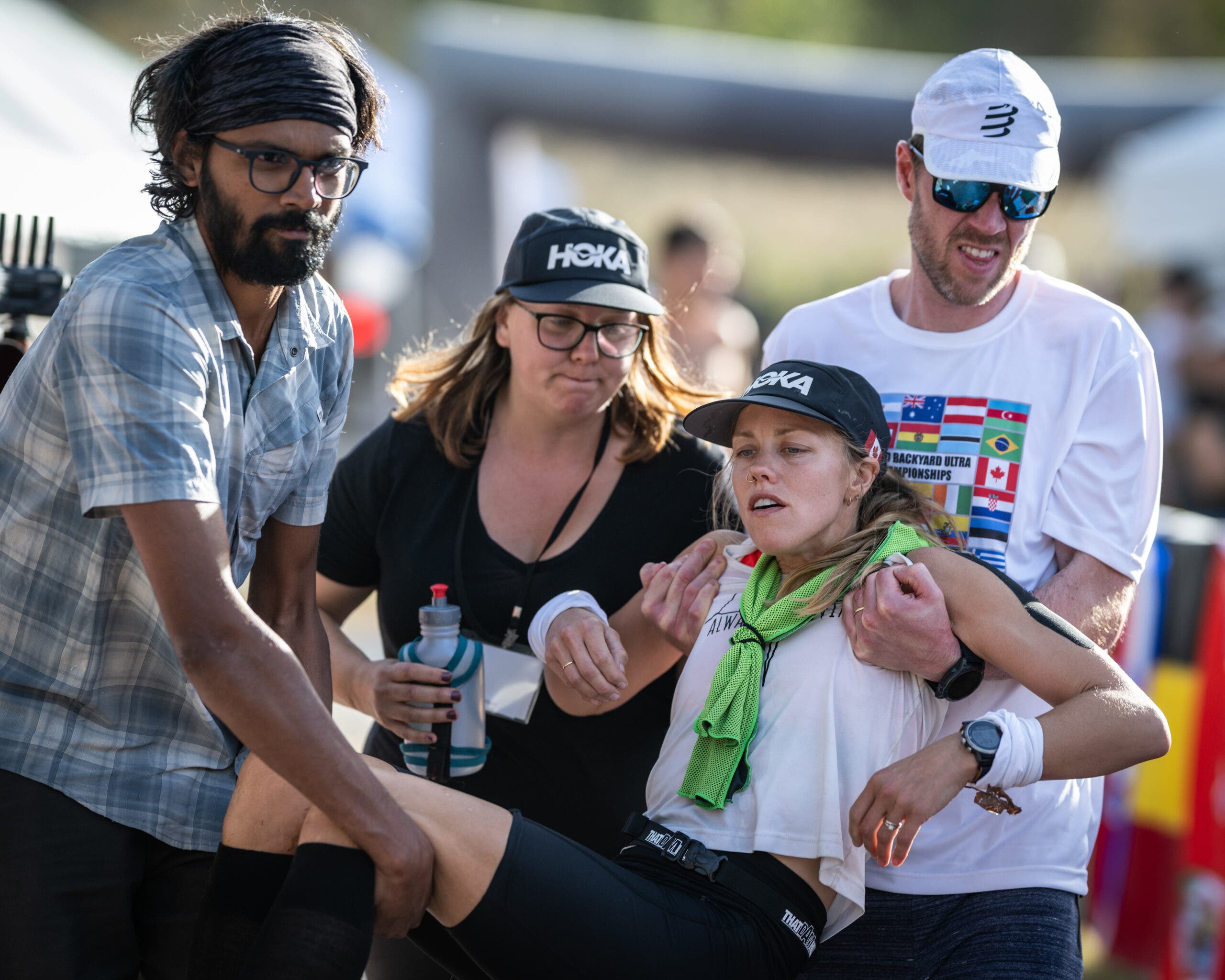
Last year, he says his goal was as much to help get runners through the third night as it was to outlast them all. He remembers 2020 mostly for the way he and Dauwalter spent nearly a full day and night taking turns leading the race and pushing each other to approach 300 miles, a number that was, at the time, unheard of to run in this format. Lewis called it a “collaboration” instead of a race. It was a much-needed feel-good story during the pandemic delivered by two nice people.
“We were very encouraging of each other,” Lewis said.
This is one of the evolutions of the race that took Cantrell by surprise: Backyard races build community among runners with different ability levels because of the unique format. Many other ultras around the world are in intimidating places for beginners, but the accessible four-mile loop obliterates those fears.
Mandy Mullen, the owner of run.Windsor in Windsor, Colorado, changed the format from a 50K to a backyard race for her Weld Your Mettle ultramarathon because it helped foster that community aspect.
“There’s so much more to running than just running,” Mullen said. “In this the competition goes away, and it’s more teamwork. There’s zero of, ‘I want to beat this person.’”
ADVERTISEMENT
Katie Stroud is the president of a running and walking club that’s existed since 1979 in Alice Springs, a small town in the desert of Australia. She hosted the second annual backyard ultra this year as a part of the races the club puts on.
“It’s such a terrific format for people to push their distance in such a wonderful and supportive way,” Stroud said. “It’s so much more than people running in circles.”
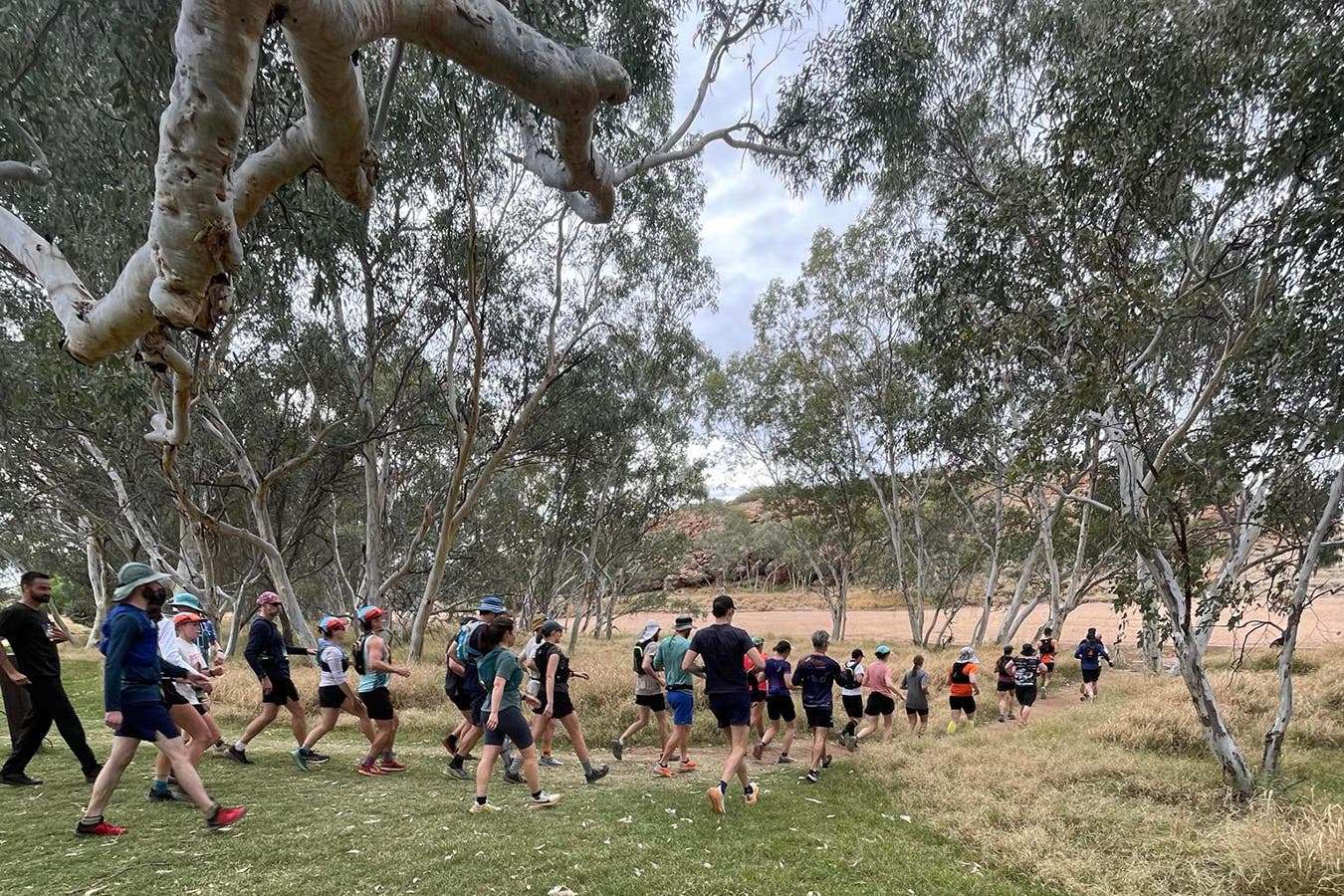
Indeed, Cantrell believes more people ran 100 miles in 24 hours, a benchmark so elite that races usually give out special belt buckles to those who do it, this year in backyard events than all the other ultramarathons around the world combined. The final two left standing this year in Alice Springs, Stroud said, were running buddies who just wanted to push each other to 100 miles.
“There are all these little moments like that in our event every year,” Stroud said. “It’s really cool to be there for that.”
ADVERTISEMENT
Carl Worth was another one who caught the backyard bug. Even though he’d never run more than a half marathon, he ran the virtual backyard race during the Covid-19 lockdown in 2020 and astonished himself by covering 54 miles. He liked the camaraderie and community of backyard running so much he began organizing the Banana Slug Backyard Ultra the following year in Oregon’s Champoeg State Park.
At this year’s event, the winner ran for 49 hours and 200 miles for a “Silver Ticket,” which qualifies him for Big’s Backyard, since the Slug was one of the six events where the winner qualified him for the World Team Championships.
But Worth prefers not to focus only on the winner. During the race, he puts up a spreadsheet on a TV—he’s a software engineer by trade—and posts everyone’s longest distance they’ve run. Whenever they break it, and many do, they can ring a bell, a tradition that Cantrell established at his own race. At this year’s Banana Slug event, 34 runners surpassed their personal bests.
“It’s a really satisfying thing to put on as a race director,” Worth said. “You get to see some amazing things.”
ADVERTISEMENT
This is true for Jess’ Backyard Ultra as well. The sun rises, illuminating the gray sky and shining some welcome light on our muddy trails. Nelson decides to take a small nap at the house. Our fourth competitor rolled her ankle in the wee hours of the morning, making my friend, Bret Naber, the winner after 30 miles, but we decided to run through the night and see how far we could go. At 9 A.M., after 12 hours and 50 miles of running through the mud, we go home for a shower and some sleep.
To the Backyard and Beyond
This year’s Big’s Backyard Ultra on October 19 is the biannual international team competition, called the World Satellite Backyard Team Competition. Team USA will compete at Cantrell’s event in Tennessee, and the 15-member U.S. roster will have at least two women, Megan Eckert, who won the Saguaro Showdown Backyard Ultra in Mesa, Arizona, and Jennifer Russo, who won Ohio’s Backyard Ultra, as well as Lewis and Scott Martin, the three-time winner of the Banana Slug race put on by Worth.
Cantrell said there are 68 national teams, the members of which will compete simultaneously in backyard ultras in their home countries to earn points for their teams. It’s much like the Olympics—with each country enjoying a home field advantage—and it makes you wonder if this event will finally get ultrarunning there.
“I think you have to reasonably see how it goes,” Cantrell said. “A lot of things start up, and they are really popular, and then they fade out. Maybe somebody more politically skilled than me could get it there.”
ADVERTISEMENT
But Cantrell’s favorite part about the race format isn’t the superstars, even if his own includes some of the most elite ultrarunners in the world. It’s that time isn’t a factor. It’s about the distance you run, and if you run a personal best, you get recognized for it, even if you finish 30 seconds before the bell.
“The age groups in other races are won by the same people over and over,” Cantrell said. “But in this one, everyone has their day.”